Press release · Nouakchott, Mauritania · 7 July 2026
4th Sahara Renaissance Project (SAREP) Conference
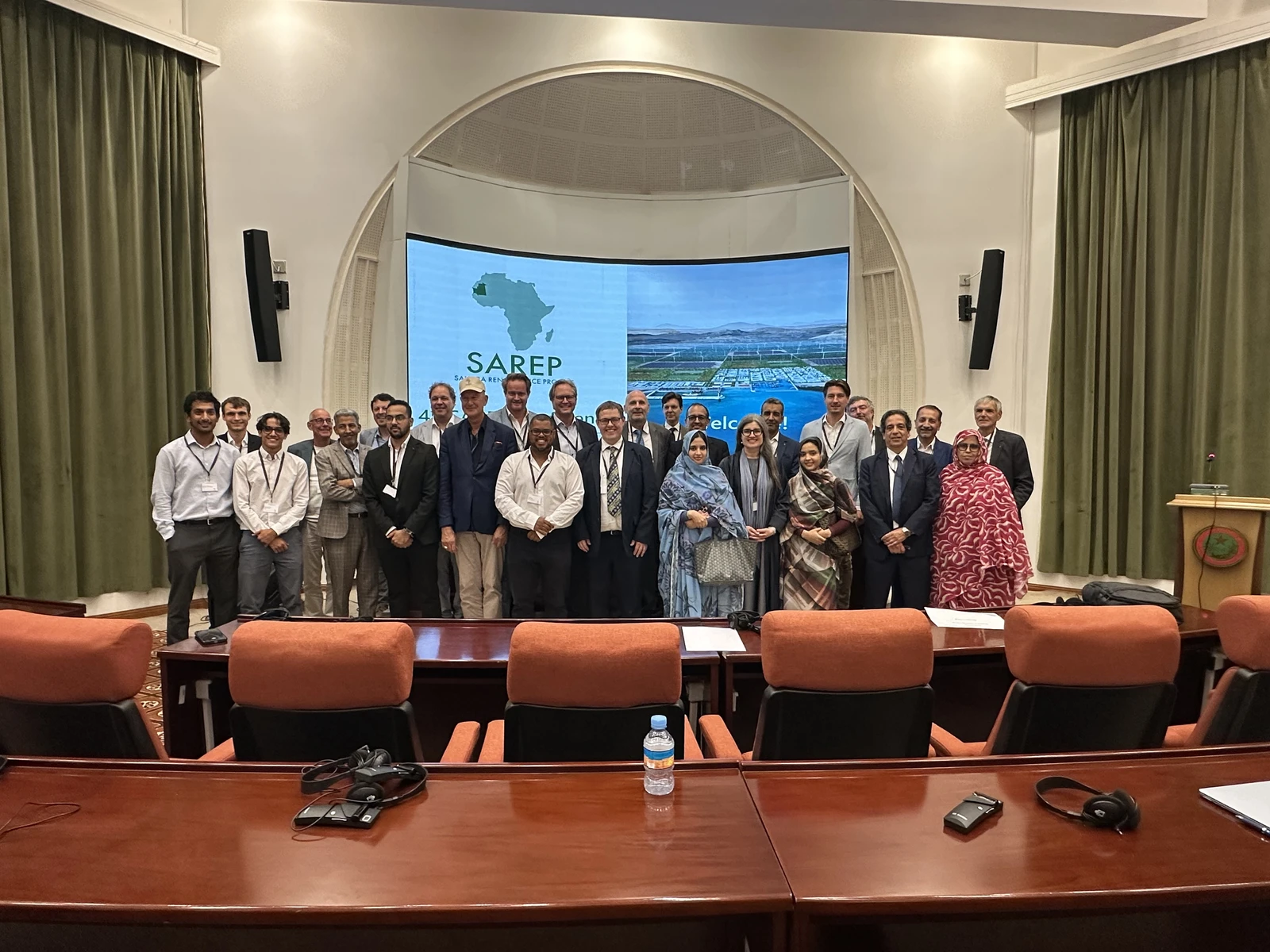
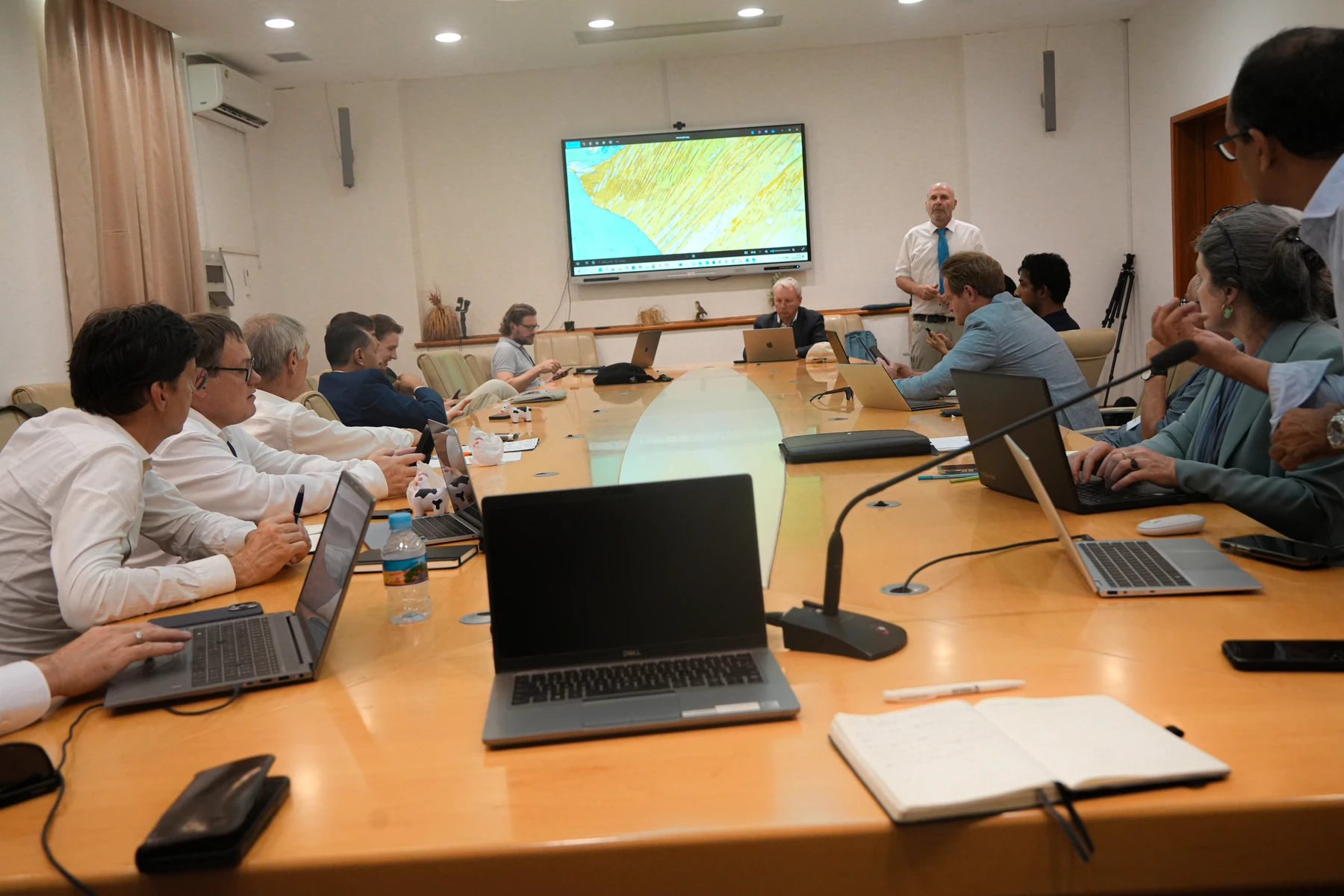
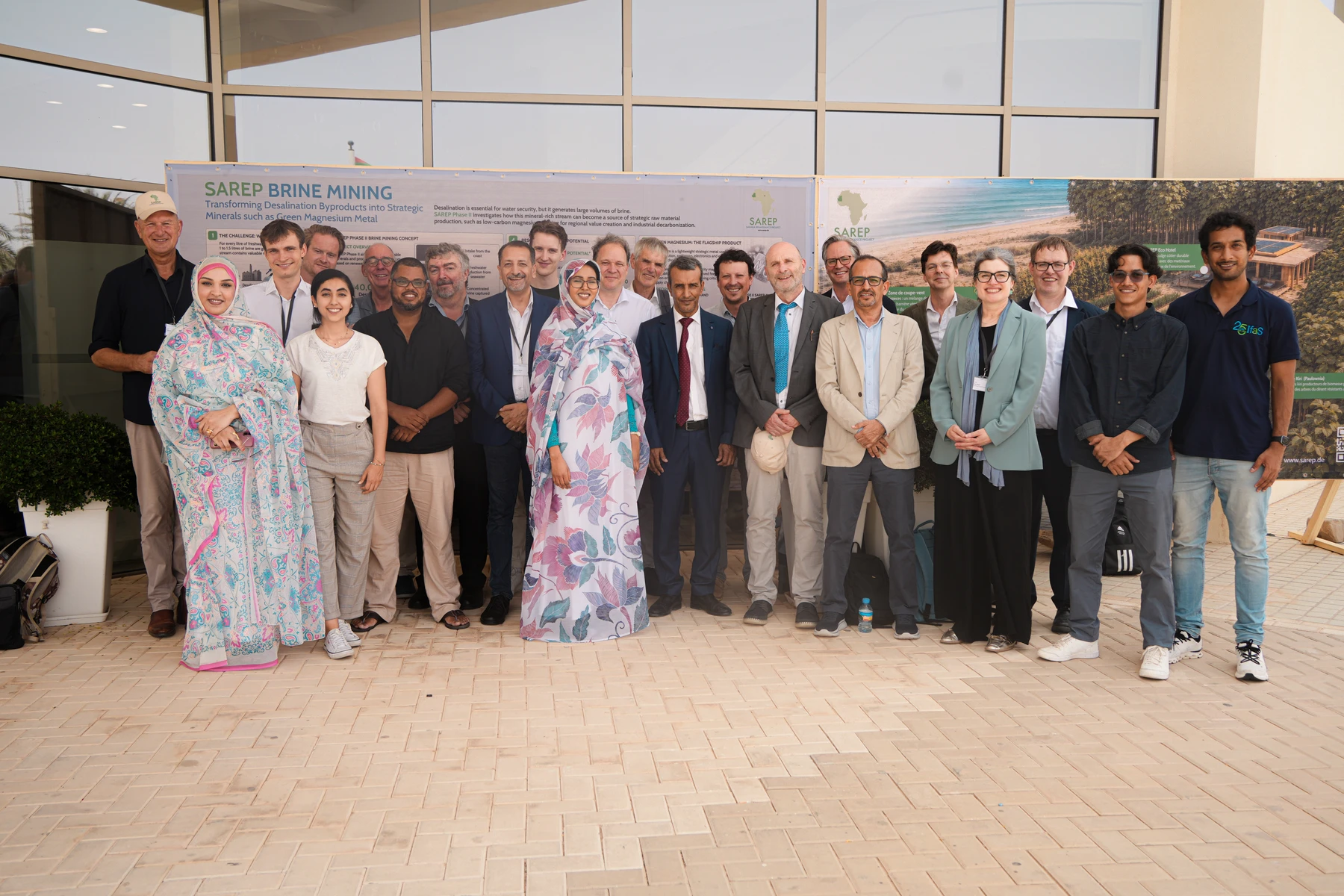
On 7 July 2026, the 4th Sahara Renaissance Project (SAREP) Conference took place at the Palais des Congrès in Nouakchott, bringing together representatives from government, academia, industry, and international organizations to discuss the future of sustainable development in Mauritania. The conference was organized by the Sahara Renaissance Project (SAREP) in cooperation with the Institute for Applied Material Flow Management (IfaS) at Trier University of Applied Sciences.
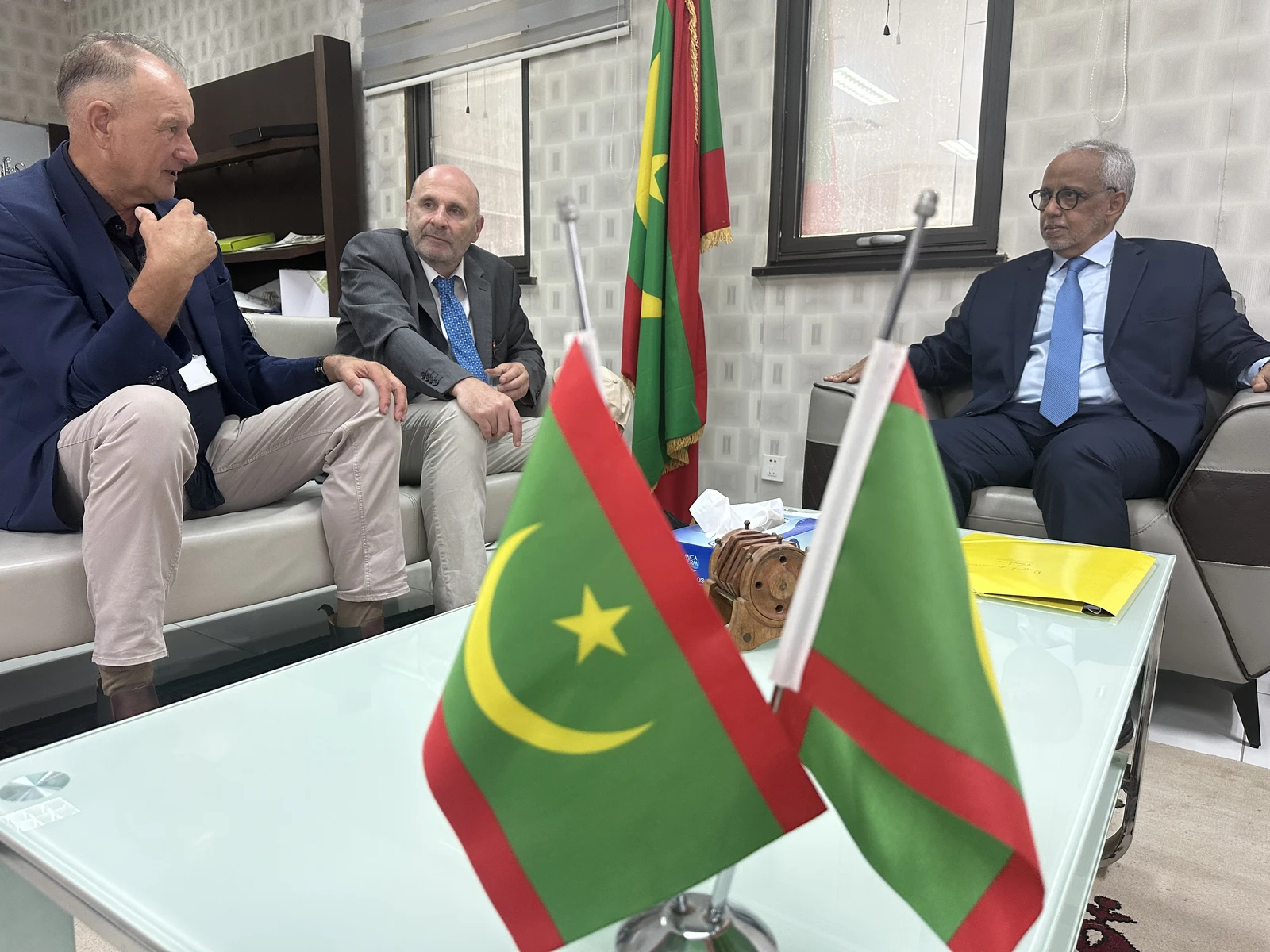
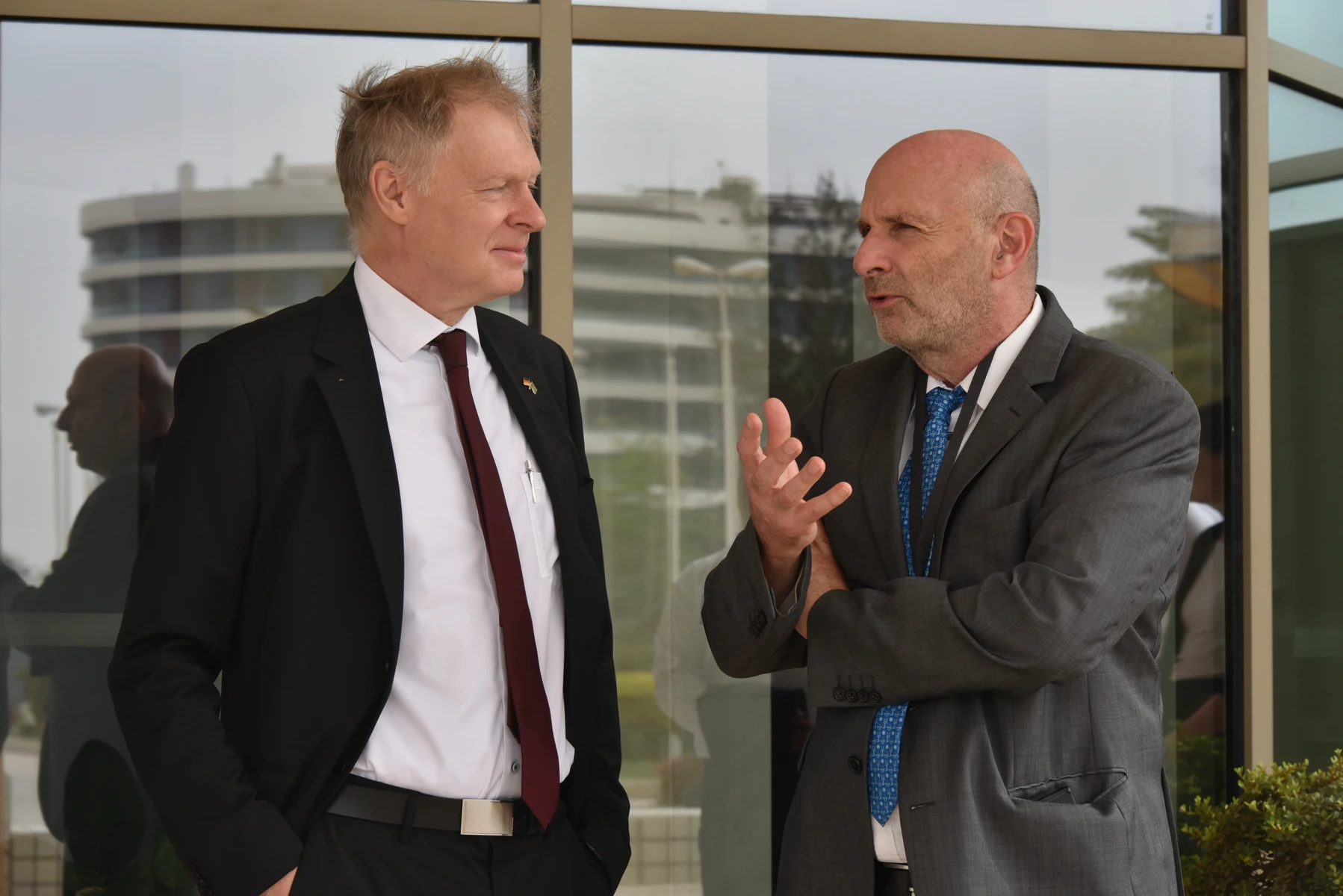
The conference was officially opened by Dr. Florian Reindel, Ambassador of the Federal Republic of Germany to the Islamic Republic of Mauritania, highlighting the importance of German–Mauritanian cooperation in advancing sustainable development. High-level contributions were also delivered by Dr. Abdallahi Souleymane Cheikh-Sidia, Minister of Economic Affairs and Development, Mrs. Messouda Baham Mohamed Laghdaf, Minister of Environment and Sustainable Development, and Dr. Codioro Moussa N’Guenore, Minister of Finance of Mauritania, demonstrating the strong commitment of the Mauritanian Government to supporting innovative and sustainable development initiatives.
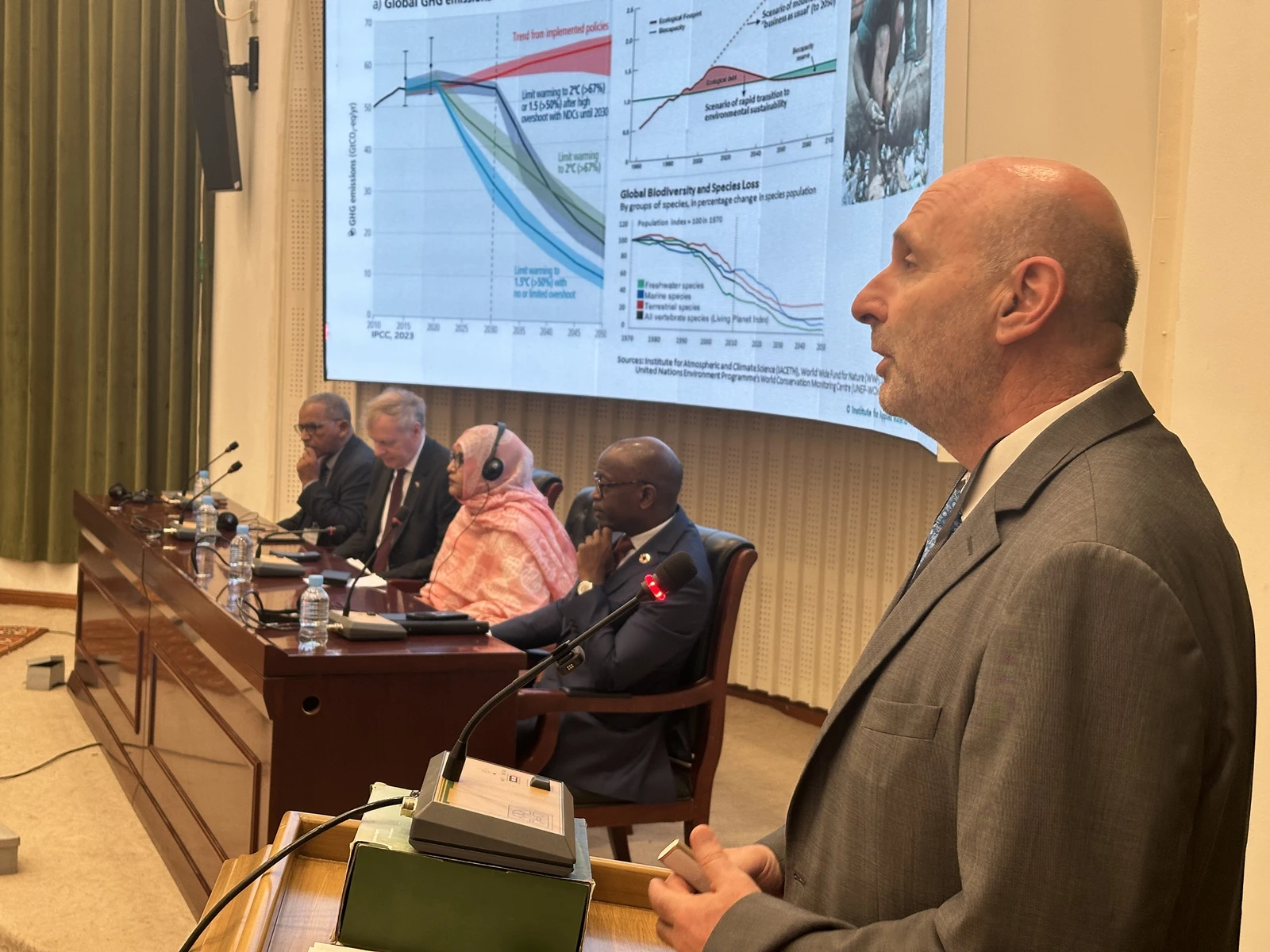
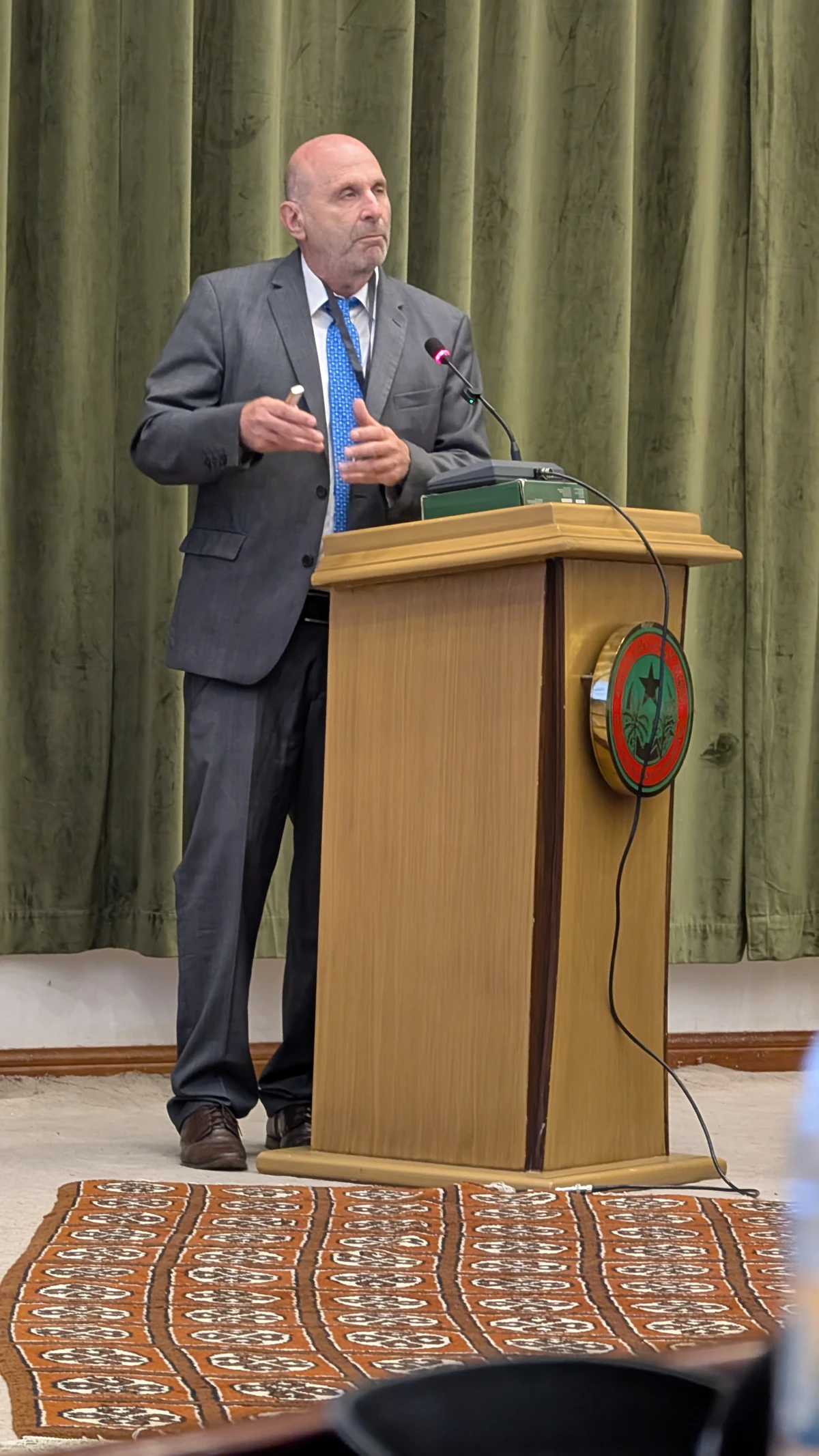
A central highlight of the conference was the presentation by Prof. Dr. Peter Heck, Managing Director of IfaS and initiator of the Sahara Renaissance Project. He presented the project’s vision of restoring degraded landscapes while creating sustainable economic opportunities through renewable energy, water management, climate-smart agriculture, circular economy approaches, and regional value creation.
Representatives from German partner companies presented innovative technologies and practical solutions that can contribute to the implementation of SAREP. Their expertise covered renewable energy, desalination, sustainable agriculture, biotechnology, carbon markets, circular economy, green finance, and ecosystem restoration. Their participation demonstrated the strong interest of German industry in supporting the project’s long-term objectives through technology, innovation, and international cooperation.
Mauritanian institutions and regional representatives also reaffirmed their willingness to actively support the implementation of SAREP. Their presentations emphasized the importance of close cooperation between government institutions, local communities, research organizations, and the private sector to ensure the project’s long-term success.
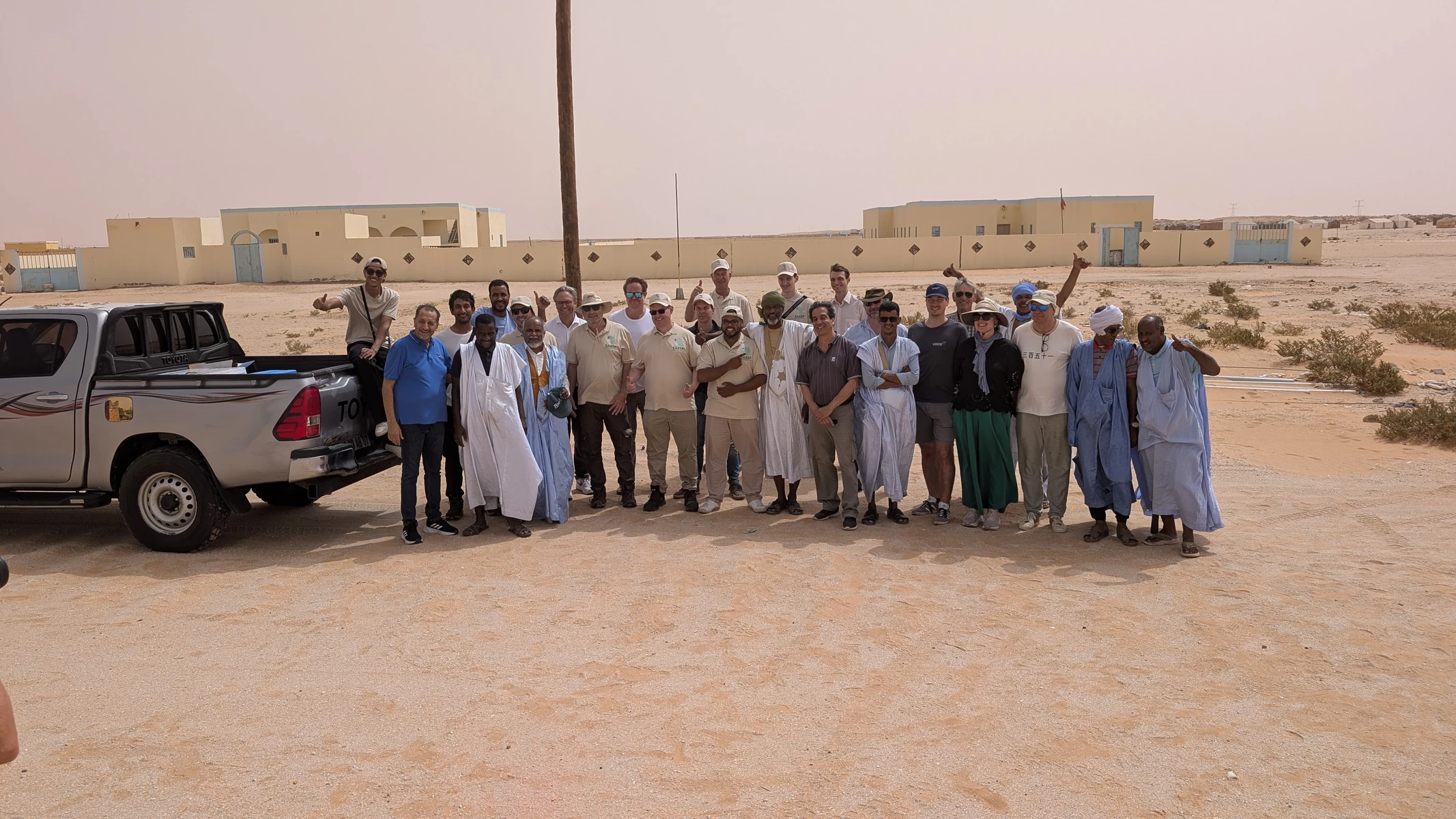
Beyond the technical discussions, the conference marked an important milestone in initiating the stakeholder engagement process for SAREP. It provided a platform to introduce the project to national stakeholders, exchange ideas, build trust, and encourage dialogue among all partners involved. Establishing this dialogue is a key step towards developing a shared vision for the project’s implementation in Mauritania.
The 4th SAREP Conference demonstrated that addressing environmental restoration and sustainable economic development requires strong international partnerships, scientific collaboration, and active stakeholder participation. The event concluded with a shared commitment to continue working together to transform the Sahara Renaissance Project from a common vision into a practical and lasting reality.
Impressions from the conference